
When used consistently and intentionally, activity and behavior charts can be powerful tools for building positive habits—whether for chores, cooking, volume control, or other routines. Below are helpful tips for using charts effectively, along with links to free printable options.
Do you desire to parent or teach children the way that God desires? Watch this 3-part series to acquire the tools to build a solid foundation of biblical discipline for your family or classroom.
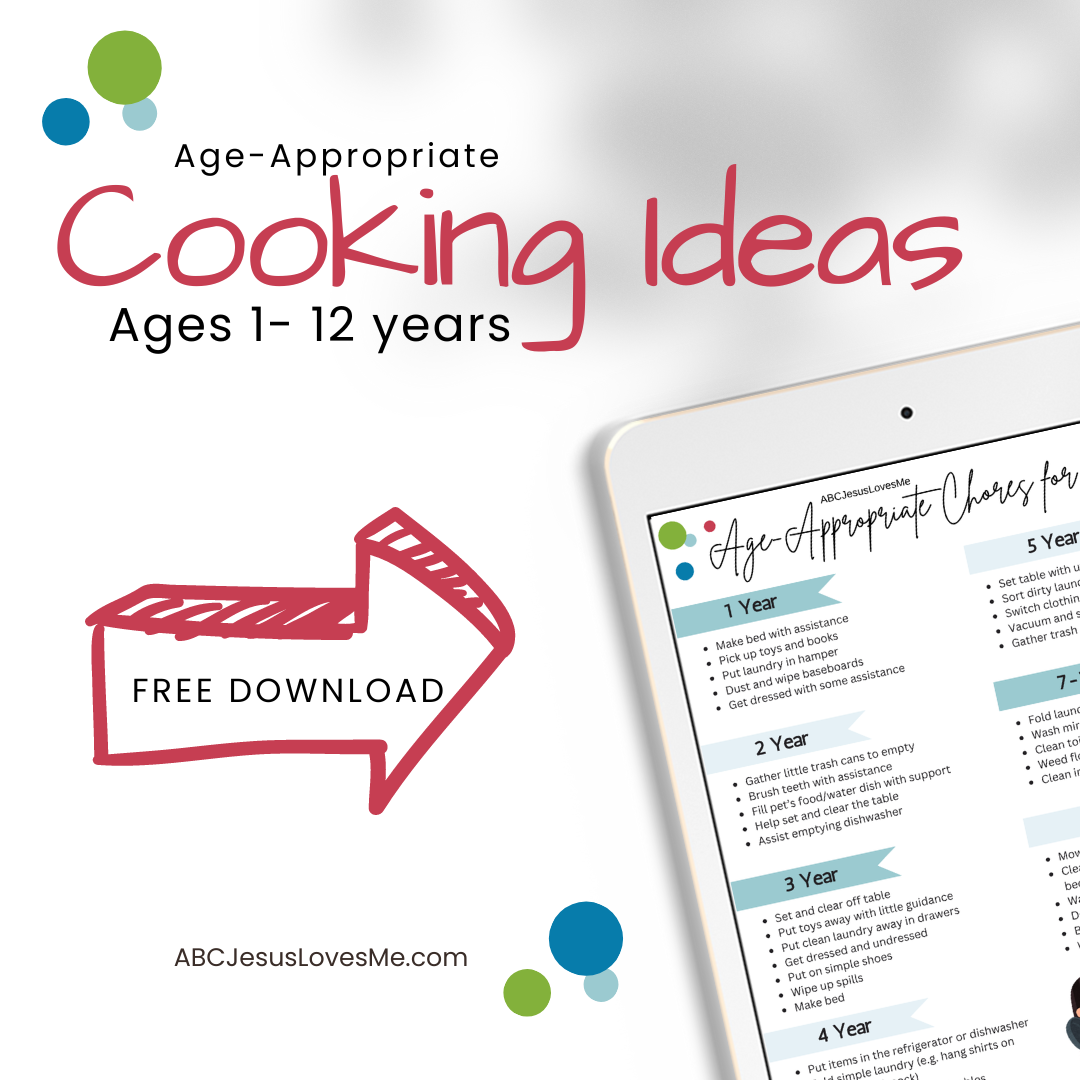
Looking for age-appropriate cooking ideas to grow your little chef? Tap to the free Cooking Idea for Kids—a helpful guide to teach life skills and create consistency at home.

Some children—especially those with Sensory Processing Disorder—struggle to understand how loud their voices are. Using this chart along with intentional training helped my son recognize his volume and adjust it based on his surroundings.
1. Download the free Volume Control Chart
2. Read the blog post: How to Teach Volume Control
It walks you through how to introduce and use the chart effectively, plus a few bonus tips that worked in our home.
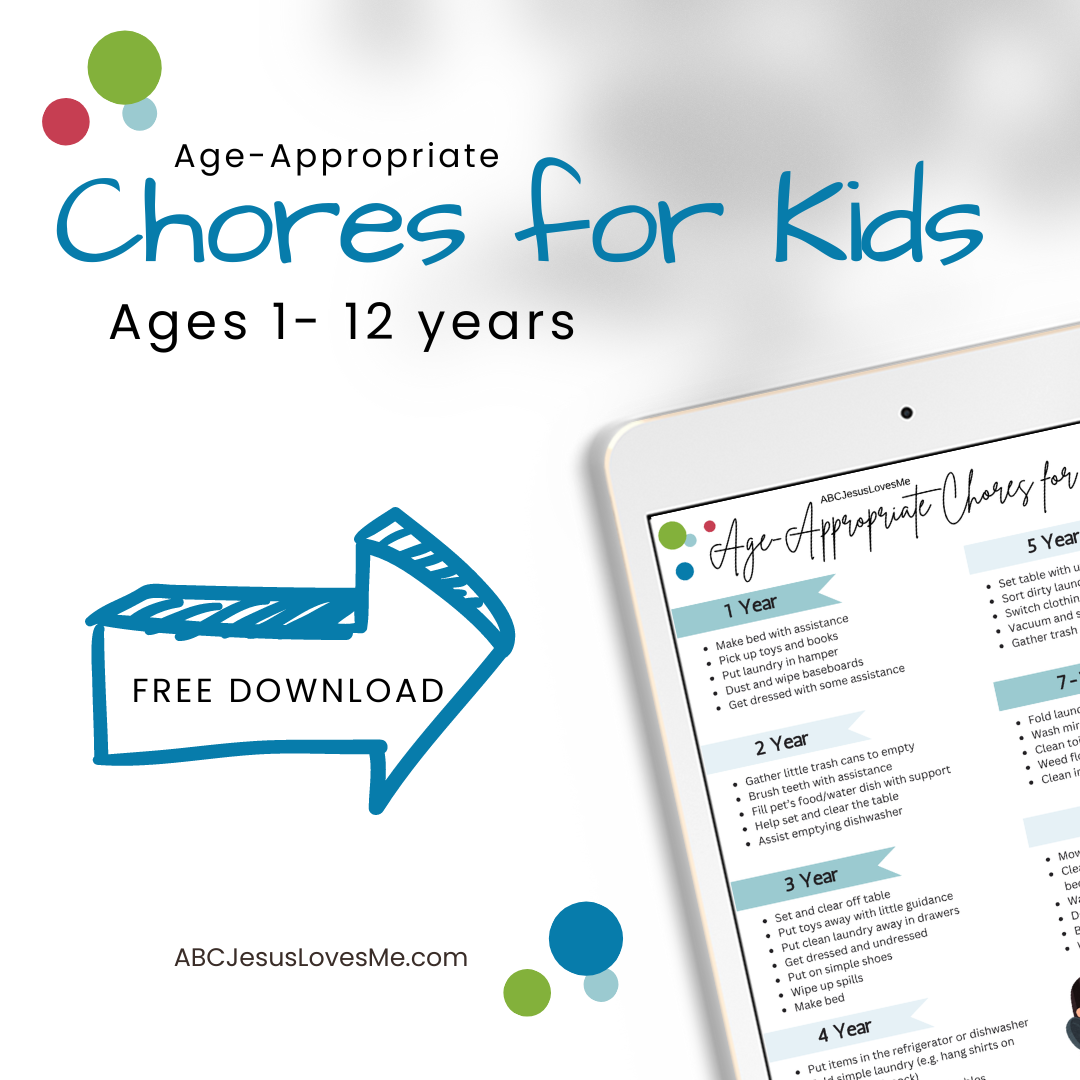
There is a saying, "Don't do for your child what they can do for themselves." It has become my parenting motto as I strive to prepare my children for the real world. But what are age-appropriate options for children? Tap to download the Free Chore Idea for Kids printable.

Join us for a heart-to-heart with friends who truly get your parenting journey. Co-hosted by Heidi Franz, creator of ABCJesusLovesMe, this podcast provides a cozy, supportive space for practical advice, shared experiences, and heartfelt encouragement. Tune in on your favorite app or right here on the web!
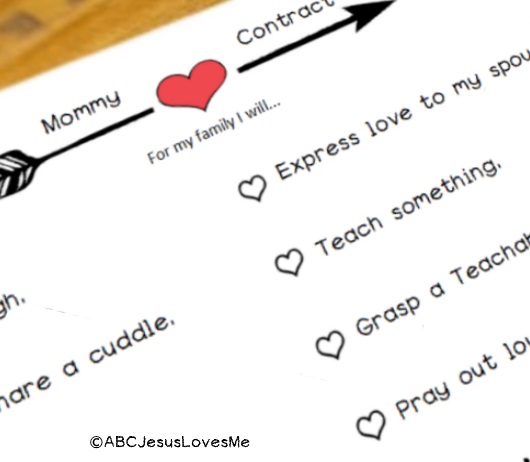
After much request on the ABCJesusLovesMe Facebook Group, I created this free Mommy Contract to help you be intentional with your family. Post for family accountability or keep in your Quiet Time Journal for daily reflection.
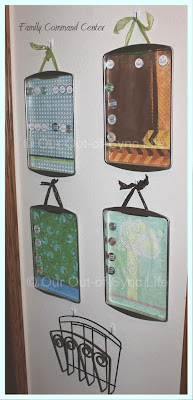
We have tried our share of chore charts and posters. These Magnetic Chore Boards have been by far the best. Click here for directions and tips.