Discover helpful ideas to extend the week's learning and make the most of the Curriculum Lesson Plan.
Teaching shapes to preschoolers helps them understand their surroundings while building early math skills, improving letter and number recognition, and enhancing spatial awareness. Plus, exploring shapes through play boosts creativity and problem-solving skills.
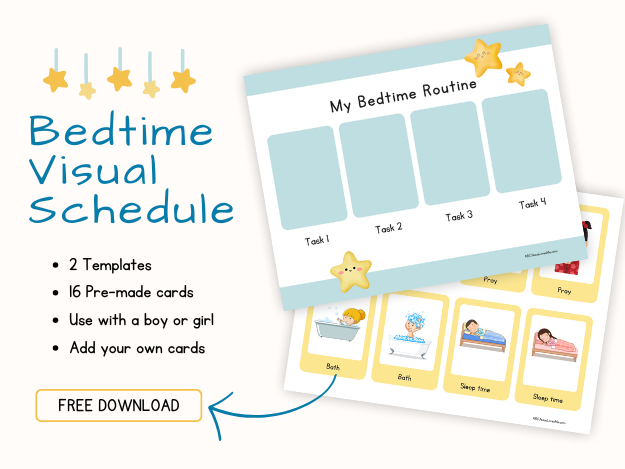
Struggling with a child who refuses to go to bed? The Bedtime Visual Schedule helps the child know what to expect and when, turning chaos into calm. Choose the simple version for younger children or the detailed version for older kiddos, and make bedtime smoother tonight! Read: Quick Tips to End Bedtime Battles
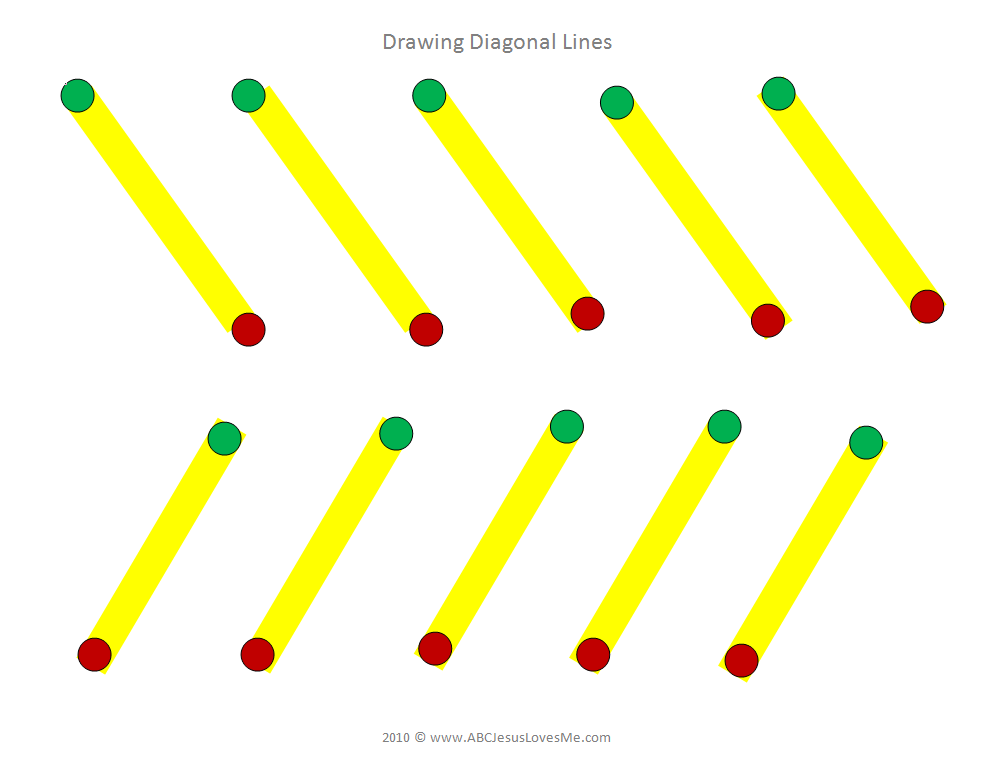
The Pre-Writing Worksheets are designed for children ages 2.5 to 3 who are no longer fisting a crayon, which is why they are included in the 2 and 3 Year Curricula.
Use a broken crayon to help develop a tripod grasp. Avoid markers or pens because they do not build the muscle strength needed for writing.
Green and red dots on the circles and lines show where to start and stop, and the yellow lines guide the child’s tracing.
Using hand-over-hand, help the child begin by placing her index finger of her dominate hand on the green dot, trace along the yellow line, and stop at the red dot. As the child traces, say “Gooooooooooo…Stop” while moving from green to red.
When the child can successfully trace with her index finger, move to a broken crayon.
Spot sharks, rays and other fishes as they cruise through our rocky reef. The shark cam is available from 7 a.m.-7 p.m. Pacific time.
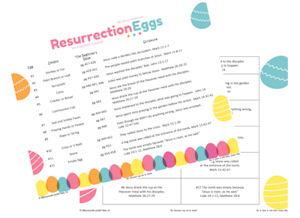
Help children experience the true meaning of Easter through hands-on learning with our Resurrection Eggs. This engaging activity walks kids through Jesus' last days, from the triumphal entry to the empty tomb, using scripture-filled eggs and meaningful symbols. This simple activity captivates young hearts with the powerful story of our Savior.
Now that you are halfway through the Curriculum, this is a good time to pause and look at the child’s progress. Use the 3 Year Assessment activity sheet to mark only the skills the child demonstrates correctly. It is normal for many skills to still be developing at this stage. If the child is not ready for a section, simply skip it. Do not continue assessing a skill you already know the child is unable to do. Use the results to guide what you focus on during review weeks.
Shapes and Colors:
Show a flashcard and ask the child to identify the color or shape.
Information:
Ask the child to name each item assessed.
Spatial:
Using a few blocks, instruct the child to place the Lego person or character in various places in relationship to the block(s). For example:
“Place the Lego person on the block.”
“Place the Lego person under the block.”
“Place the Lego person next to the block.”
Sorting:
Provide the child with a variety of blocks in different colors and shapes. Also, include three items with varying weights. Ask the child to sort by color, shape, or weight.
Patterns:
Give the child blocks and ask the child to create an AB pattern (e.g., red-blue-red-blue or triangle-square-triangle-square).
Knowledge:
Ask the child questions to determine knowledge of some Bible stories, memory verses, songs, and poems. Samples questions could include:
1) "Tell me your favorite Bible story we talked about this week." Ask follow-up questions to check for comprehension.
2) "This week we talked about a verse about _____. Please tell me or sing for me that Bible verse." You may need to start the verse to help the child finish it.
3) "What is your favorite Bible song that we sang this week?" Assist as needed.
4) "We have learned a lot of fun poems. What one is your favorite?" Offer help as needed.
Development and Obedience:
Included in this list are the development milestones for ages 36-48 months according to the American Pediatric Association. Observe the child during play, activities, and learning time. Mark responses based on natural behavior and participation.
The mid-year assessment is a helpful checkpoint, not a finish line. It gives a snapshot of where the child is right now and highlights both strengths and areas still developing.
As you review the results, focus on growth rather than mastery. Ask yourself:
Use this information to adjust your teaching. For objectives where the child needs more support, use Review Weeks to return to the original teaching and repeat the same hands-on activities from the Lesson Plans.
If you have questions about a skill, refer to the developmental checklist. This will help you determine if the skill is still age-appropriate to develop or if it may need closer attention. When concerns arise, consult a professional.